

.jpg)




Menopause can bring plenty of changes, and for many women, finding the time and energy to think about nutrition can feel like another thing on an already long list.
Between work, family, disrupted sleep, changing energy levels and everything else that needs attention, preparing a balanced meal from scratch every night may not always be realistic. But eating well through menopause does not have to mean following a complicated diet or spending hours preparing meals.
A practical approach is to focus on a few important nutrients, including protein, calcium, vitamin D and fibre, while finding simple ways to make nutritious meals fit into your everyday routine.
Why Protein Matters During Menopause
Protein is important throughout life because your body uses it to build, repair and maintain tissue, including muscle. During perimenopause, menopause and as you get older, paying attention to protein becomes particularly useful as part of maintaining muscle strength and supporting an active lifestyle.
Rather than worrying about complicated calculations, a simple place to start is including a source of protein across your meals.
Protein-rich foods include:
- Chicken, lean meat and fish
- Eggs
- Yoghurt, milk and cheese
- Beans and lentils
- Tofu and other soy products
- Nuts and seeds
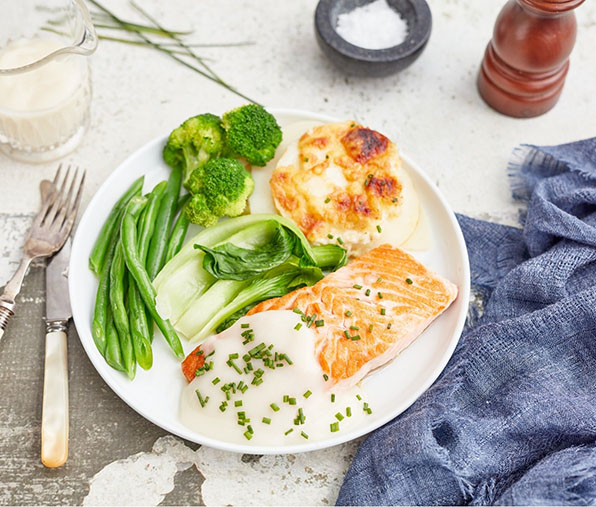
If busy days mean you occasionally reach dinner without the time or motivation to cook, having high-protein prepared meals in the freezer can make staying consistent much easier.
The Gourmet Meals menu includes a variety of portion-controlled meals, with many clearly identified as high protein. This means you can choose meals based on your preferences and dietary requirements without needing to plan and prepare every ingredient yourself.
Calcium and Vitamin D for Bone Health
Bone health becomes increasingly important around menopause because changing hormone levels can contribute to a reduction in bone density. Calcium helps maintain strong bones, while vitamin D helps your body absorb calcium.
Good dietary sources of calcium can include milk, yoghurt and cheese, as well as calcium-fortified alternatives and other calcium-containing foods.
Vitamin D is somewhat different because sunlight is an important source, although some foods also provide vitamin D. Your individual needs can vary, and if you are concerned about calcium intake, vitamin D levels or bone health, speak with your GP or an Accredited Practising Dietitian rather than automatically adding supplements.
The important point is that good nutrition during menopause is about your overall eating pattern. One individual food or meal does not need to provide everything your body needs.
Don't Forget About Fibre
Fibre is another important part of a balanced diet and can sometimes be forgotten when life gets busy.
Vegetables, fruit, legumes and wholegrain foods are useful sources of dietary fibre. Including a variety of these foods also brings vitamins, minerals and other nutrients into your diet.
An easy way to increase variety is to think about what is already on your plate. Does your meal include vegetables? Could you add fruit or yoghurt as a snack? Could you choose a meal containing legumes, wholegrains or additional vegetables?
It does not need to be perfect at every meal. Small, consistent choices across the week can make healthy eating feel much more achievable.
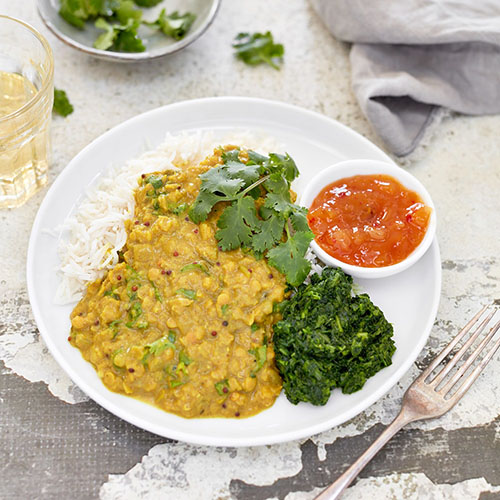
Gourmet Meals offers a variety of nutritionally balanced, portion-controlled meals, including high-fibre options and meals suited to different dietary requirements. Browse the full menu to find options that work for you.
When You're Tired, Busy or Simply Don't Feel Like Cooking
Nutrition advice can sound straightforward until life gets in the way. You may understand what you should be eating but still arrive home exhausted after work. Poor sleep may leave you with little energy to cook. You might be balancing teenagers, ageing parents, appointments, exercise and work, while still trying to find some time for yourself.
On those days, convenience matters.
The alternative does not have to be takeaway or skipping dinner. Keeping a selection of nutritious prepared meals in the freezer means you can have something ready without planning a recipe, visiting the supermarket, chopping ingredients or cleaning multiple pots and pans.
This is where Gourmet Meals can fit naturally into a busy week.
Meals are prepared by professional chefs using quality ingredients and are snap-frozen, which helps preserve their nutrients, freshness and flavour without requiring added preservatives. They are individually portion controlled and designed to provide the comfort of homestyle food with far less preparation.
Simply choose meals that suit your dietary preferences, store them in your freezer and heat one when you need it. Gourmet Meals can be heated directly from frozen, with meals generally requiring around 4.5 to 5.5 minutes in the microwave followed by the recommended standing time.
It is a simple way to make eating well easier on the nights when your energy is better spent elsewhere.
Make Healthy Eating Work Around Your Life
Eating well through menopause does not need to mean changing everything you eat or committing to hours of meal preparation every Sunday.
Start with the basics. Look for protein throughout the day, include calcium-rich foods, remember fibre and aim for variety. Then make those choices easier to maintain by having convenient options available for the days when cooking simply is not happening.
With Gourmet Meals, you can browse nutritious, portion-controlled options in a few clicks and have your meals delivered directly to your door. Weekly delivery is available throughout eligible areas of the Gold Coast, Brisbane, Ipswich and Northern NSW, and there are no long-term contracts, so you can order when it suits your routine.
Check your Gourmet Meals delivery day or explore the full menu and find simple meal options that make busy weeks a little easier.
FAQ's
Why is protein important during menopause?
Protein helps your body build, repair and maintain muscle. Including protein-rich foods across your meals can form part of maintaining muscle strength as you move through menopause and get older.
Why are calcium and vitamin D important?
Calcium helps maintain strong bones, while vitamin D helps your body absorb calcium. Bone health becomes particularly important around and after menopause as changing hormone levels can affect bone density.
What are some easy ways to eat more fibre?
Include vegetables, fruit, legumes and wholegrain foods regularly throughout the week. Choosing meals containing vegetables and legumes can also make fibre easier to include without adding extra meal preparation.
How can I eat well when I am too tired to cook?
Keep convenient, nutritionally balanced options available for busy or low-energy days. Having portion-controlled, snap-frozen meals ready to heat can help you avoid skipping meals or relying on last-minute choices when you do not have the time or energy to cook.
Tags: High Protein Meals, Delicious Meals, Meals Delivered To Your Door, High-Fiber Meals, Convenient Meals Delivered, Busy Lifestyle Meals, Affordable Meals, Portion-Controlled Meals, Quality Budget Meals Delivered, Healthy Balanced Meals, Homemade Style