

.jpg)




Looking after your eyes is about more than regular eye checks and wearing sunglasses. What you eat can also play a role in supporting healthy vision throughout life.
A balanced diet that regularly includes vegetables, fruit, protein, healthy fats and fish provides a range of nutrients that your eyes (and the rest of your body) need. The good news is that eating for healthy eyes does not require a complicated diet or a completely new way of cooking.
It is really about consistency. Including foods rich in vitamins A, C and E, zinc and omega-3 fatty acids across the week can help support your overall eye health, while balanced meals make it easier to meet your broader nutritional needs at the same time.
How Nutrition Supports Healthy Vision
Your eyes rely on a range of nutrients to function properly. Rather than focusing on one particular “superfood”, it is more useful to eat a varied diet that provides different vitamins, minerals, antioxidants, protein and healthy fats.
Foods such as:
- Colourful vegetables
- leafy greens
- fruit
- fish
- lean proteins
- nuts
- seeds
- wholegrains
can all form part of this approach.
This matters at every age. Building healthy eating habits early can support your overall wellbeing, while continuing those habits as you get older becomes increasingly important as ageing naturally affects eyesight.
Regular eye checks are still essential, and nutrition cannot replace professional eye care. But what you put on your plate is one practical part of looking after your eyes over the long term.
Vitamin A: An Important Nutrient for Your Eyes
Vitamin A plays an important role in maintaining normal vision and supporting the structures of the eye.
You can find vitamin A in foods such as:
- Eggs
- Dairy products
- Meat
- Carrots
- Pumpkin
- Sweet potato
- Dark green leafy vegetable
One simple way to get a broader range of nutrients is to include different coloured vegetables throughout the week. A meal with carrots, pumpkin, peas, spinach or other vegetables can bring more variety to your plate without making healthy eating feel complicated.
Vitamins C and E: Antioxidant Support
Vitamins C and E are antioxidants, meaning they help protect the body's cells from oxidative damage.
Vitamin C is commonly found in fruit and vegetables, including citrus fruits, berries, capsicum, tomatoes and broccoli.
Vitamin E can be found in foods such as nuts, seeds and vegetable oils.
You do not need to fit every nutrient into every meal. Instead, aim for variety across the day and week. A piece of fruit with breakfast, vegetables with lunch or dinner, and a handful of nuts as a snack can all contribute to a more balanced overall diet.
Zinc and Eye Health
Zinc is another mineral that plays a role in maintaining normal body functions and is often discussed as part of nutrition for healthy vision.
Good dietary sources can include meat, seafood, dairy products, nuts, seeds and legumes.
Rather than relying heavily on supplements, most people can get the vitamins and minerals they need through a healthy, varied diet. If you are concerned about a deficiency or think you may need supplements, speak with your doctor, optometrist or dietitian first.
Why Omega-3 and Fish Matter
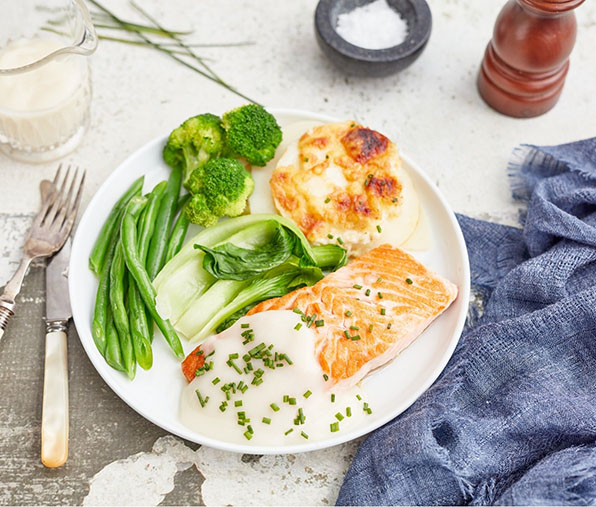
Omega-3 fatty acids are another important part of a balanced diet and are commonly found in oily fish such as salmon, sardines and tuna.
Australian eye-health guidance identifies omega-3 fatty acids from foods such as fish as one of several nutrients that may contribute to maintaining eye health as we age.
The challenge is often not knowing that fish is good for you—it is actually eating it regularly.
Buying, preparing and cooking fish can feel like too much effort on a busy weeknight. Having prepared fish meals available in the freezer can make including it in your routine much easier.
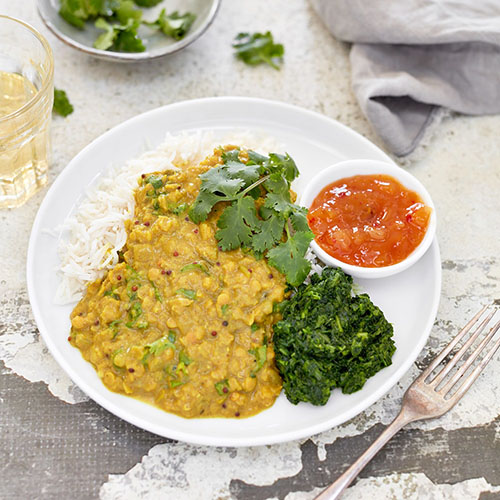
The Gourmet Meals menu includes a wide range of nutritionally balanced, portion-controlled meals, including fish, meat and vegetable-based options that can help bring more variety into your weekly meals.
A Balanced Diet Is More Important Than One Ingredient
Healthy vision is not supported by one vitamin or one meal alone.
A balanced eating pattern gives your body access to a wider combination of nutrients. A useful everyday approach is to build meals around:
- A source of protein such as fish, chicken, lean meat or legumes
- A variety of vegetables
- A nourishing source of carbohydrates
- Healthy fats where appropriate
- Fruit, dairy, nuts or seeds across the day
You do not have to prepare everything from scratch to achieve this.
On busy days, it can be tempting to skip a proper meal, grab takeaway or rely on whatever happens to be easiest. Having a few balanced options ready in the freezer can make it much simpler to stay consistent.
Making Healthy Eating Easier with Frozen Meals
Knowing what to eat is one thing. Finding the time to shop, prepare ingredients, cook and clean up every day is another.
This is where Gourmet Meals can make everyday nutrition easier.
Gourmet Meals are prepared by professional chefs using quality ingredients and are snap-frozen to preserve their nutrients, freshness and flavour without the need for added preservatives.
Meals are also portion controlled, giving you an easy way to include vegetables, protein and other nutritious ingredients without having to plan every meal yourself.
Keeping several meals in the freezer means you can choose what you feel like eating, heat it when you need it and enjoy a homestyle meal without the preparation. It can be particularly useful on busy workdays, after sport, when cooking for one or when you simply do not feel like spending the evening in the kitchen.
You can browse the full Gourmet Meals menu, select options that suit your dietary preferences and have them delivered directly to your door.
Weekly delivery is available across eligible areas of the Gold Coast, Brisbane, Ipswich and Northern NSW. You can also check your delivery day online before placing your order.
Make Eye-Friendly Nutrition Part of Everyday Life
Eating well for your eyes does not need to involve strict meal plans or complicated recipes.
Focus on variety. Include colourful vegetables, fruit, protein, fish, wholefoods and healthy fats regularly, and make those choices easier by keeping nutritious options available for the days when you are short on time.
With Gourmet Meals, you can keep balanced, snap-frozen meals ready in your freezer and enjoy convenient homestyle food whenever you need it.
Frequently Asked Questions
What foods are good for maintaining healthy eyes?
A varied diet containing colourful fruit and vegetables, leafy greens, fish, lean proteins, nuts and seeds can provide nutrients associated with eye health, including vitamins A, C and E, zinc and omega-3 fatty acids.
Is vitamin A important for vision?
Yes. Vitamin A plays an important role in normal vision and maintaining healthy eye structures. It can be found in foods including eggs, dairy, carrots, pumpkin, sweet potato and leafy green vegetables.
Why should I include fish in my diet?
Fish can provide protein and omega-3 fatty acids. Oily fish such as salmon, sardines and tuna are particularly useful sources of omega-3.
Can frozen meals still be nutritious?
Yes. Freezing is an effective way of preserving food. Gourmet Meals are snap-frozen to help maintain their nutrients, freshness and flavour and do not require added preservatives.
Do healthy foods prevent eye problems?
Healthy eating can support overall eye health, but it cannot prevent every eye condition or replace regular eye examinations. Have your eyes checked regularly and speak with an optometrist or healthcare professional if you notice any changes to your vision.
Tags: Eating For Eye Health, Health Eyes, Eye Care, Nutrition For Eyes, Meals Delivered, Healthy Meals Delivered, Affordable Meals Delivered, Great Tasting Frozen Meals, Snap Frozen Meals Delivered, Nutritious Meals Delivered, Meals On A Budget